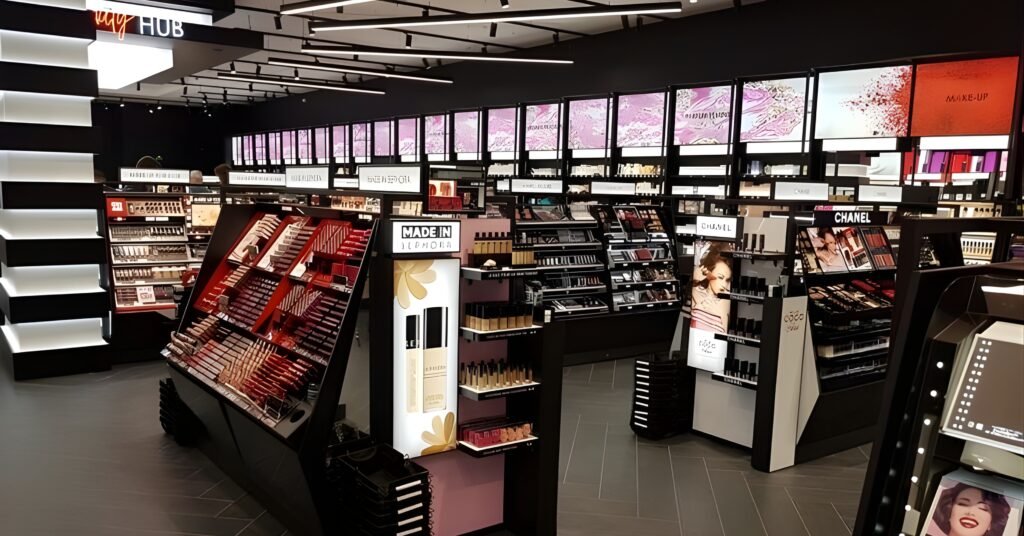
The beauty industry in the United Kingdom has evolved far beyond traditional cosmetics. Today, it stands as one of the fastest-growing and most innovative sectors, driven by science, sustainability, technology, and changing consumer behaviour.
From heritage British beauty brands to modern clean-beauty startups, the UK is shaping global beauty standards through innovation and responsible business practices.
The Evolution of the UK Beauty Industry
Once dominated by high-street cosmetics and luxury skincare, the UK beauty market has expanded into a diverse ecosystem that includes:
- Skincare science and dermatology-led brands
- Personalised beauty solutions
- Ethical and cruelty-free products
- Wellness-driven beauty routines
British consumers today prioritise quality, transparency, and results, forcing brands to innovate continuously.
Science-Backed Beauty and Skincare Innovation
One of the strongest trends in the UK beauty industry is the rise of science-driven skincare. British brands are investing heavily in:
- Clinical testing and dermatologist-approved formulations
- Active ingredients such as retinol, peptides, and hyaluronic acid
- Minimalist and results-focused routines
This shift has positioned the UK as a trusted market for evidence-based beauty products, both locally and internationally.
Sustainability as a Beauty Standard
Sustainability is no longer a trend — it is an expectation. UK beauty brands are leading the charge by adopting:
- Recyclable and refillable packaging
- Vegan and cruelty-free formulations
- Ethical sourcing of raw materials
- Reduced carbon manufacturing processes
Consumers are increasingly supporting brands that align with their environmental values, making sustainability a competitive advantage.
Technology and the Digital Beauty Consumer
Technology has transformed how beauty brands connect with their audience in the UK. From online consultations to AI-powered skincare analysis, digital tools are redefining customer experience.
Key developments include:
- Virtual skin assessments
- AI-based product recommendations
- Data-driven personalisation
- Influencer-led digital marketing strategies
E-commerce and social platforms now play a crucial role in shaping beauty trends and brand loyalty.
The Rise of Independent and D2C Beauty Brands
The UK has become a hub for independent beauty entrepreneurs. Direct-to-consumer (D2C) brands are gaining traction by offering:
- Transparent ingredient lists
- Community-driven branding
- Strong digital storytelling
- Affordable luxury alternatives
These brands are successfully competing with global beauty giants by focusing on trust, authenticity, and innovation.
Beauty as Wellness and Self-Care
Beauty in the UK is increasingly linked to wellness and mental well-being. Consumers now view skincare and beauty routines as a form of self-care rather than just aesthetics.
This mindset shift has driven growth in:
- Skin-first beauty routines
- Holistic wellness products
- Clean and conscious beauty choices
Conclusion
The UK beauty industry stands at the intersection of innovation, responsibility, and consumer trust. Brands that combine science, sustainability, and digital strategy are defining the future of beauty — not just in the UK, but globally.
As the industry continues to evolve, British beauty remains a powerful force shaping modern standards of care, confidence, and commerce.