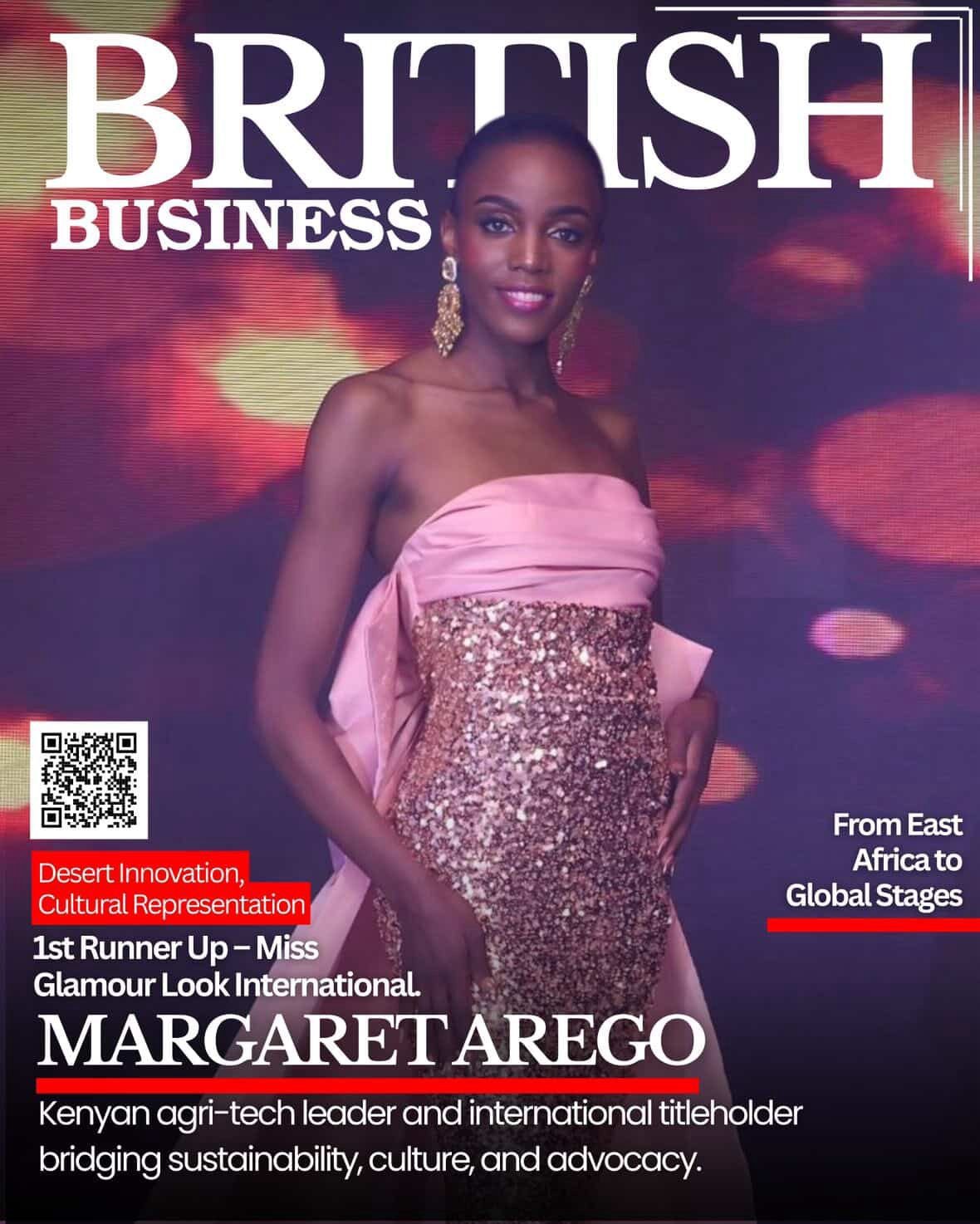

Closing the Gender Gap & Leading a New Era of Innovation
In 2026, women entrepreneurs across the UK are not just participating in business — they are reshaping industries, challenging funding norms, and building companies with global impact.
While progress has been made, the gender gap in entrepreneurship still exists. Yet what defines this moment is not limitation — it is momentum.
From fintech founders in London to sustainable brand creators in Manchester, women are redefining leadership in the modern UK economy.
The Current Gender Gap Context in 2026
Despite growth in female-led startups, challenges remain:
-
Women still receive a significantly smaller share of venture capital funding compared to male founders.
-
Access to investor networks can be limited.
-
Balancing caregiving responsibilities with scaling a business continues to affect many founders.
-
Confidence gaps and underrepresentation in high-growth sectors persist.
However, the narrative is changing.
Government-backed initiatives, female-focused angel networks, and growing awareness around diversity in investment are shifting the landscape.
More importantly — women founders are building resilient, profitable businesses at record rates.
Why 2026 Is a Defining Year
Several key shifts are empowering women entrepreneurs in the UK:
1. Rise of Female-Focused Investment Networks
More angel groups and venture funds are specifically backing women-led startups, increasing access to capital.
2. Flexible & Digital Business Models
Remote work, e-commerce, and AI-powered tools allow founders to scale with lower overhead and more flexibility.
3. Stronger Community Ecosystems
Women-led founder communities are growing across London, Birmingham, Manchester, and Edinburgh, providing mentorship and peer support.
4. Consumer Preference for Purpose-Driven Brands
Many female founders lead in sustainability, ethical fashion, health tech, and community-focused ventures — sectors aligned with modern consumer values.
Industries Where Women Are Thriving in 2026
Women entrepreneurs are making major strides in:
-
Health & FemTech
-
Sustainable & Ethical Brands
-
Digital Marketing & Creative Agencies
-
E-commerce & Personal Branding
-
FinTech & Financial Literacy Platforms
-
EdTech & Online Learning
These industries reward innovation, empathy-driven leadership, and digital agility — strengths many female founders bring naturally to the table.
Practical Steps for Aspiring Women Founders
For women considering launching a business in 2026, here are practical action steps:
1. Validate the Idea Early
Talk to potential customers. Run small pilot programs. Use lean startup methods.
2. Build Visibility Before Funding
Establish authority through LinkedIn, thought leadership articles, podcasts, and public speaking.
3. Leverage Women-Focused Networks
Join founder communities, accelerator programs, and investment networks designed to support women entrepreneurs.
4. Understand Funding Options Beyond VC
Explore grants, angel investors, crowdfunding, and government-backed startup loans.
5. Develop Financial Confidence
Understand cash flow, margins, and runway clearly. Financial clarity builds investor confidence.
The Mindset Shift: From Permission to Ownership
One of the most powerful shifts happening in 2026 is psychological.
Women entrepreneurs are no longer waiting for validation — they are building boldly.
They are:
-
Raising capital confidently
-
Negotiating equity strategically
-
Hiring diverse teams
-
Scaling internationally
The conversation has moved from “Can women succeed in business?” to “How big can this become?”
Inspirational Momentum Across the UK
Across the country, stories of resilience are emerging:
-
Mothers building six-figure e-commerce brands from home.
-
Female tech founders breaking into AI and cybersecurity.
-
Social entrepreneurs building impact-driven companies in underserved communities.
-
Women of colour launching platforms that represent overlooked voices.
Representation is increasing — and with it, belief.
Final Thoughts
Women entrepreneurs in the UK in 2026 are not simply breaking barriers — they are redesigning the system.
While funding gaps and representation challenges remain, the ecosystem is evolving. More capital, more community, and more confidence are fueling a powerful shift.
The future of British entrepreneurship is diverse, digital, and inclusive.
And women are leading that future.