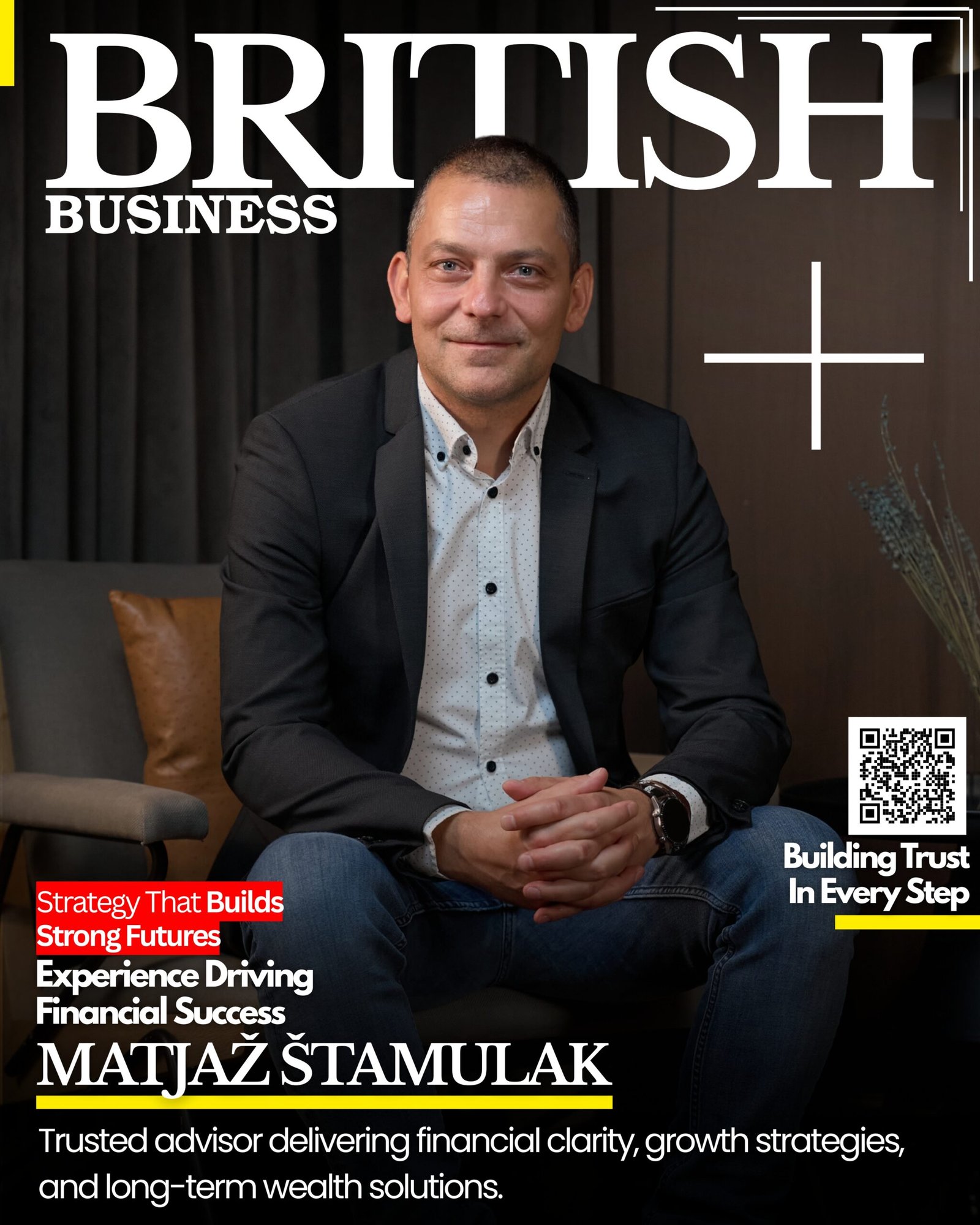

Real Reflections on Strategy, Survival & Smart Pivots
2025 was a defining year for UK businesses.
Between persistent inflation pressures, interest rate adjustments, evolving trade dynamics, rapid AI adoption, and cautious consumer spending, British business leaders were forced to rethink traditional growth strategies.
For many, it was not a year of expansion — it was a year of recalibration.
Here’s what UK business leaders learned from 2025’s economic shifts — and how those lessons are shaping strategy in 2026.
1. Cash Flow Is More Important Than Growth
During periods of economic uncertainty, revenue growth alone proved misleading.
Leaders across retail, tech, and manufacturing sectors learned:
-
Profitability > vanity metrics
-
Liquidity planning is non-negotiable
-
Access to capital can tighten quickly
Many founders reduced burn rates, paused aggressive hiring, and renegotiated supplier contracts to maintain stability.
Key Lesson: Sustainable growth requires financial discipline, not just ambition.
2. AI Adoption Is No Longer Optional
In 2025, AI moved from experimentation to integration.
UK businesses began using AI for:
-
Customer service automation
-
Marketing personalisation
-
Supply chain forecasting
-
Financial reporting assistance
Companies that adopted AI early gained operational efficiency. Those that delayed adoption found themselves less competitive.
Key Lesson: Technology is not a future investment — it is a present necessity.
3. Consumers Became Value-Driven
With cost-of-living pressures still affecting households, consumer behavior shifted significantly.
What leaders observed:
-
Increased price sensitivity
-
Stronger preference for transparent pricing
-
Demand for flexible payment options
-
Greater loyalty to brands demonstrating authenticity
Luxury brands refined their value propositions, while mid-market brands focused heavily on trust and retention.
Key Lesson: In uncertain times, trust becomes a currency.
4. Diversification Reduced Risk
Businesses overly dependent on one revenue stream faced higher vulnerability.
In response, leaders:
-
Expanded digital channels
-
Launched subscription services
-
Entered adjacent markets
-
Built international revenue streams
Diversification was not just about growth — it was about protection.
Key Lesson: Multiple income streams create resilience.
5. Hybrid Work Became Strategic — Not Experimental
By 2025, hybrid work was no longer a trend; it was a structured system.
Business leaders refined:
-
Remote productivity measurement
-
Team communication frameworks
-
Culture-building initiatives
-
Performance-based evaluation systems
Organisations that invested in strong internal communication tools and clear KPIs thrived.
Key Lesson: Flexibility works — when supported by accountability.
6. Agility Outperformed Long-Term Rigidity
Economic shifts exposed the risk of rigid five-year plans.
Successful leaders:
-
Shortened planning cycles
-
Reviewed financials monthly instead of quarterly
-
Tested ideas in smaller pilots
-
Made faster strategic pivots
Agility proved more valuable than predictability.
Key Lesson: Strategy must evolve with the market.
7. Brand Positioning Became Critical
2025 separated transactional businesses from mission-driven brands.
Companies that clearly communicated:
-
Their values
-
Their impact
-
Their community contribution
… retained customer loyalty even during economic tightening.
Brand storytelling shifted from marketing fluff to business strategy.
Key Lesson: Strong positioning protects revenue during downturns.
8. Leadership Mindset Matters Most
Perhaps the most powerful lesson of 2025 wasn’t operational — it was psychological.
Leaders who succeeded demonstrated:
-
Calm decision-making under pressure
-
Transparent communication with teams
-
Data-backed confidence
-
Emotional intelligence
The ability to lead through uncertainty became the ultimate competitive advantage.
Key Lesson: Economic storms test leadership — not just business models.
What This Means for 2026
The economic shifts of 2025 reshaped how UK businesses approach risk, technology, and growth.
In 2026, leaders are:
-
Prioritising profitability
-
Integrating AI deeply
-
Building stronger financial buffers
-
Doubling down on brand trust
-
Designing agile, adaptive strategies
The businesses that learned quickly are entering 2026 stronger, leaner, and more resilient.
Final Thoughts
2025 reminded UK business leaders of a timeless truth:
Markets change.
Consumer behavior shifts.
Technology evolves.
But disciplined strategy, adaptive thinking, and strong leadership endure.
For founders and executives navigating 2026, the message is clear:
Resilience isn’t built during stability.
It’s built during disruption.